Participation in the congress

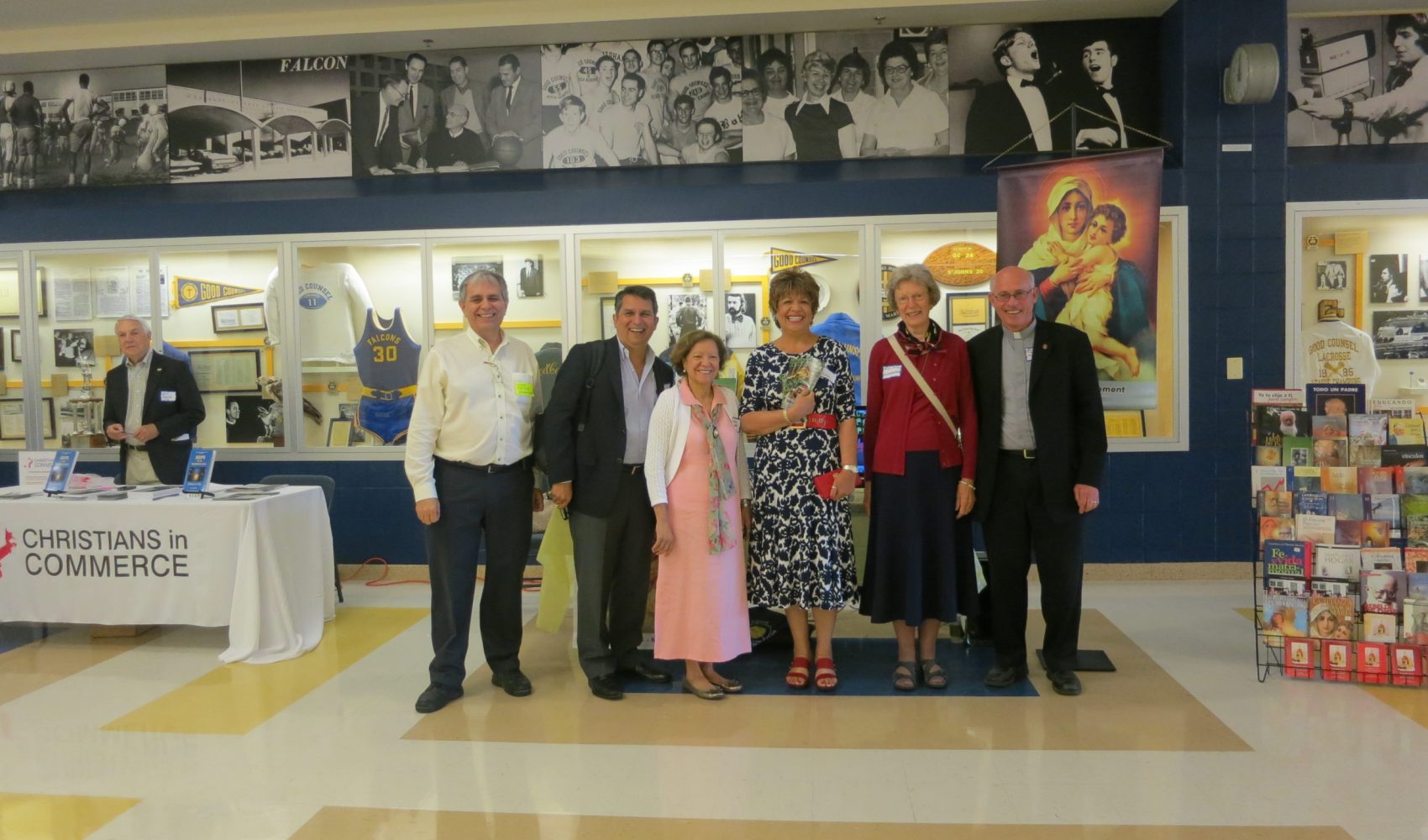
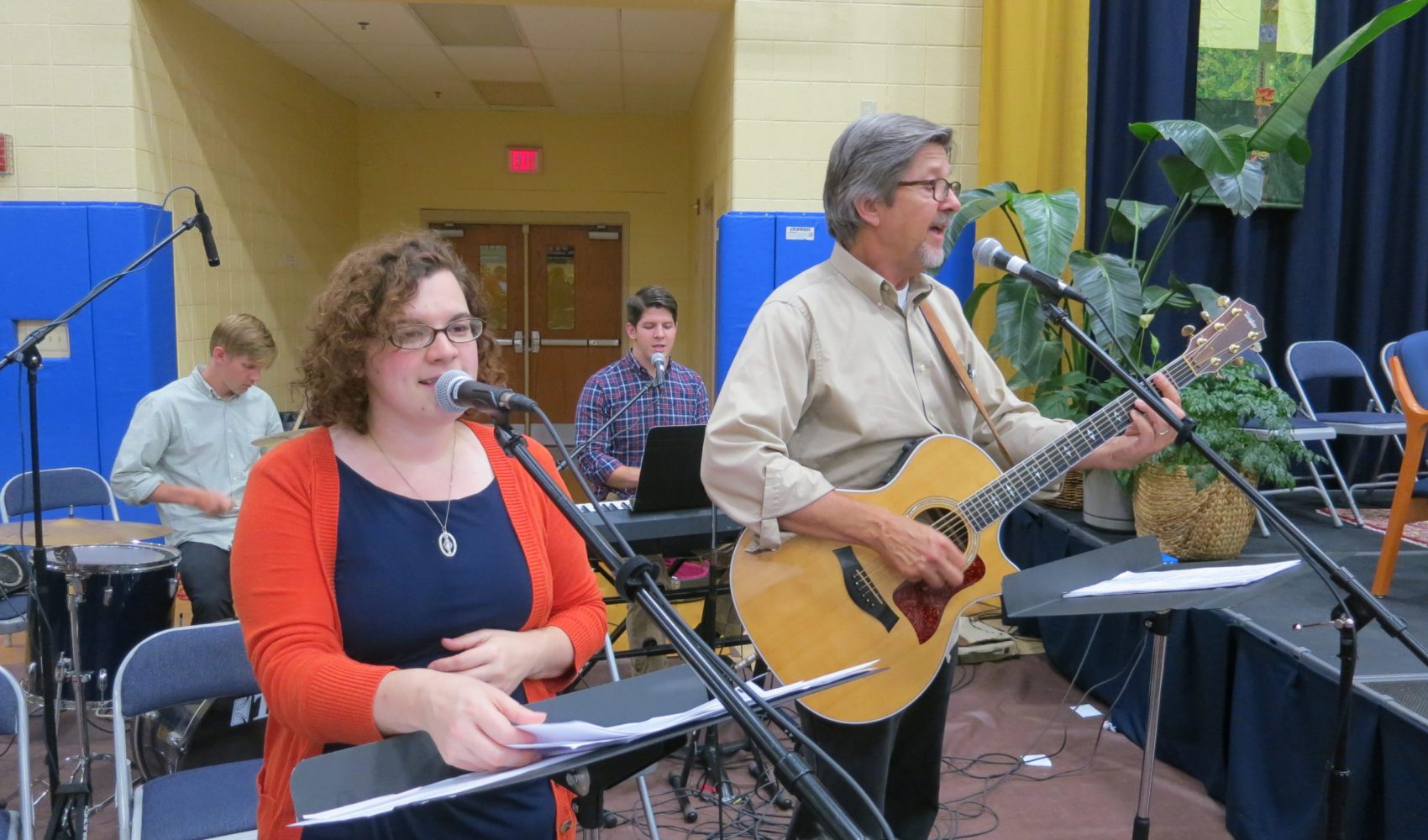
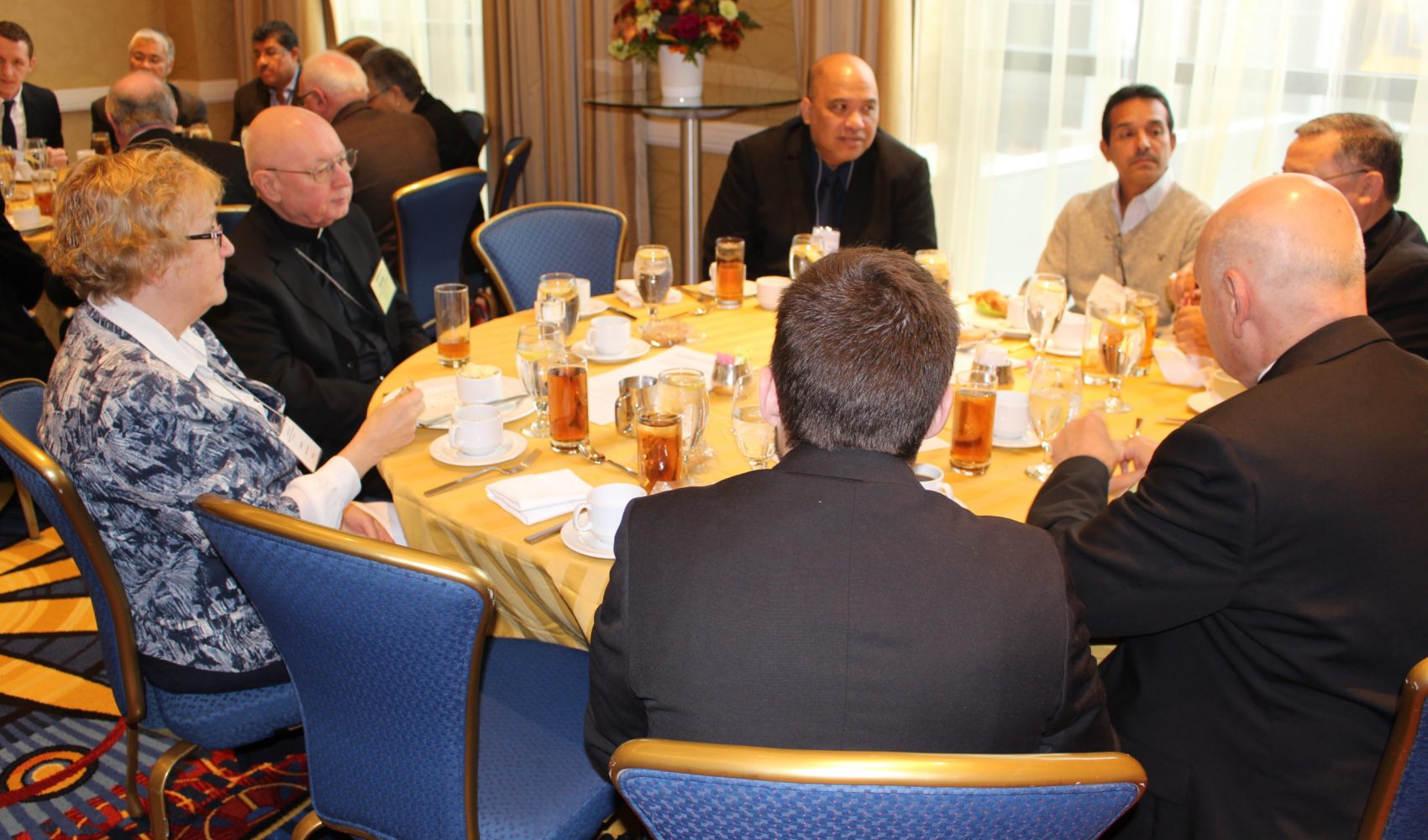
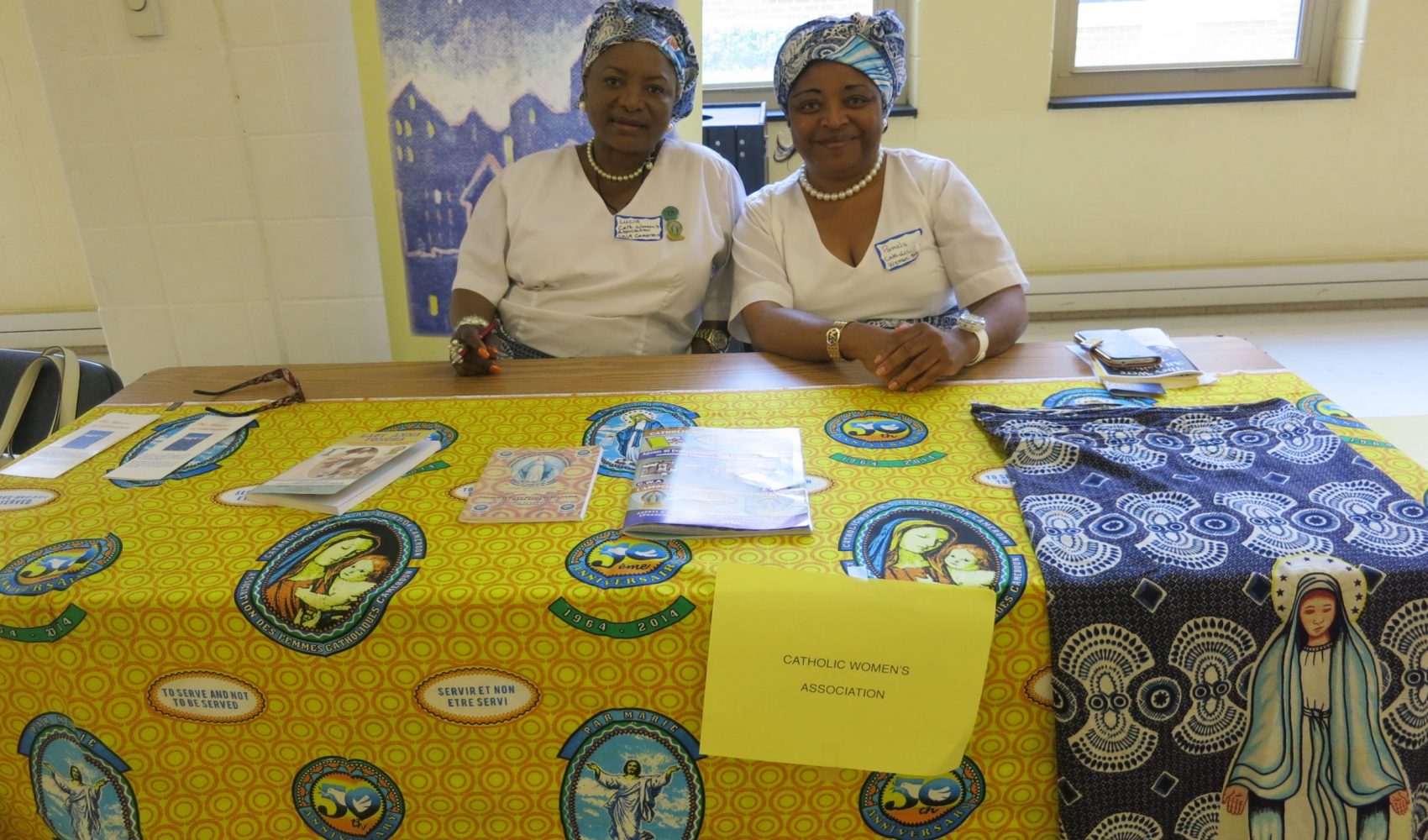
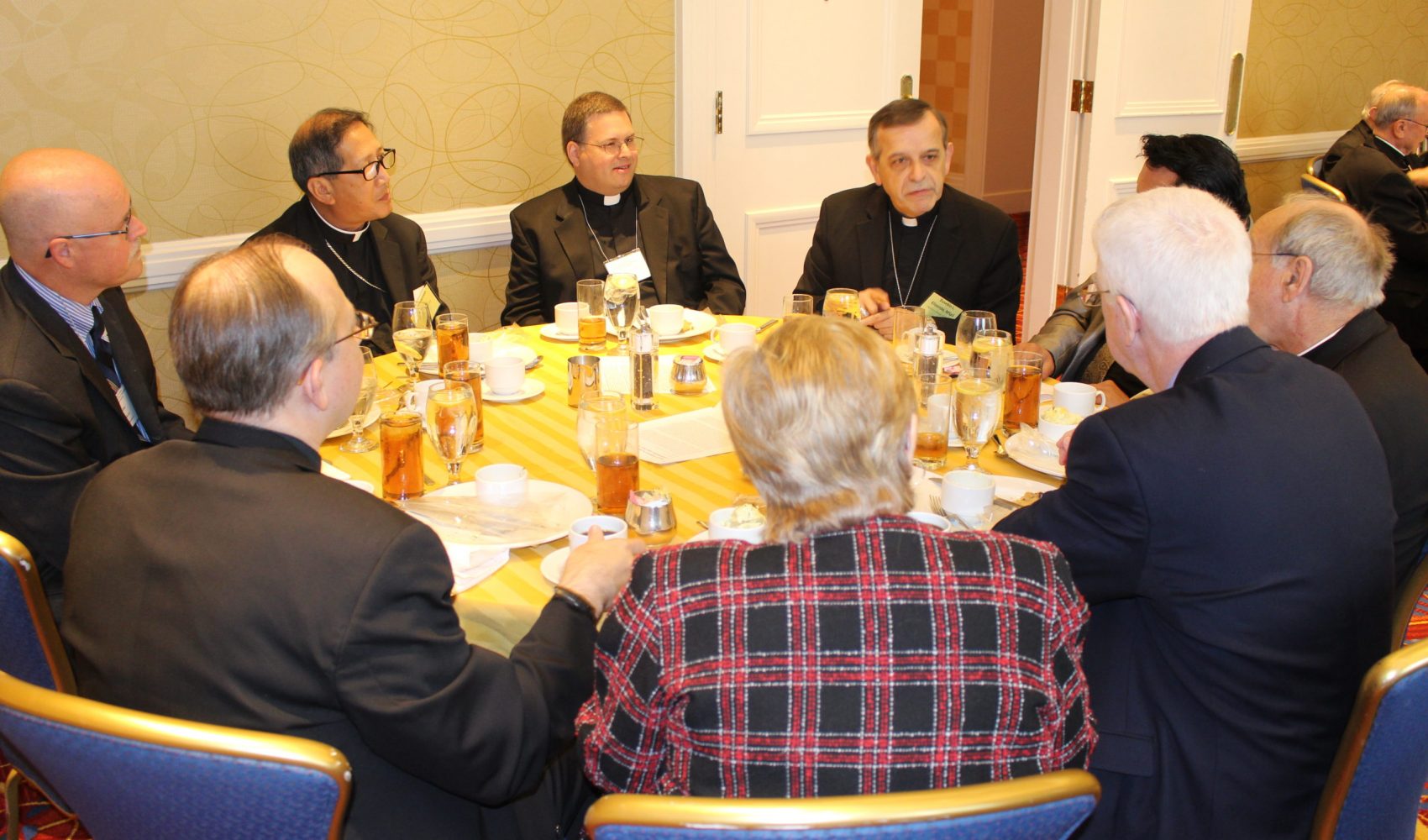
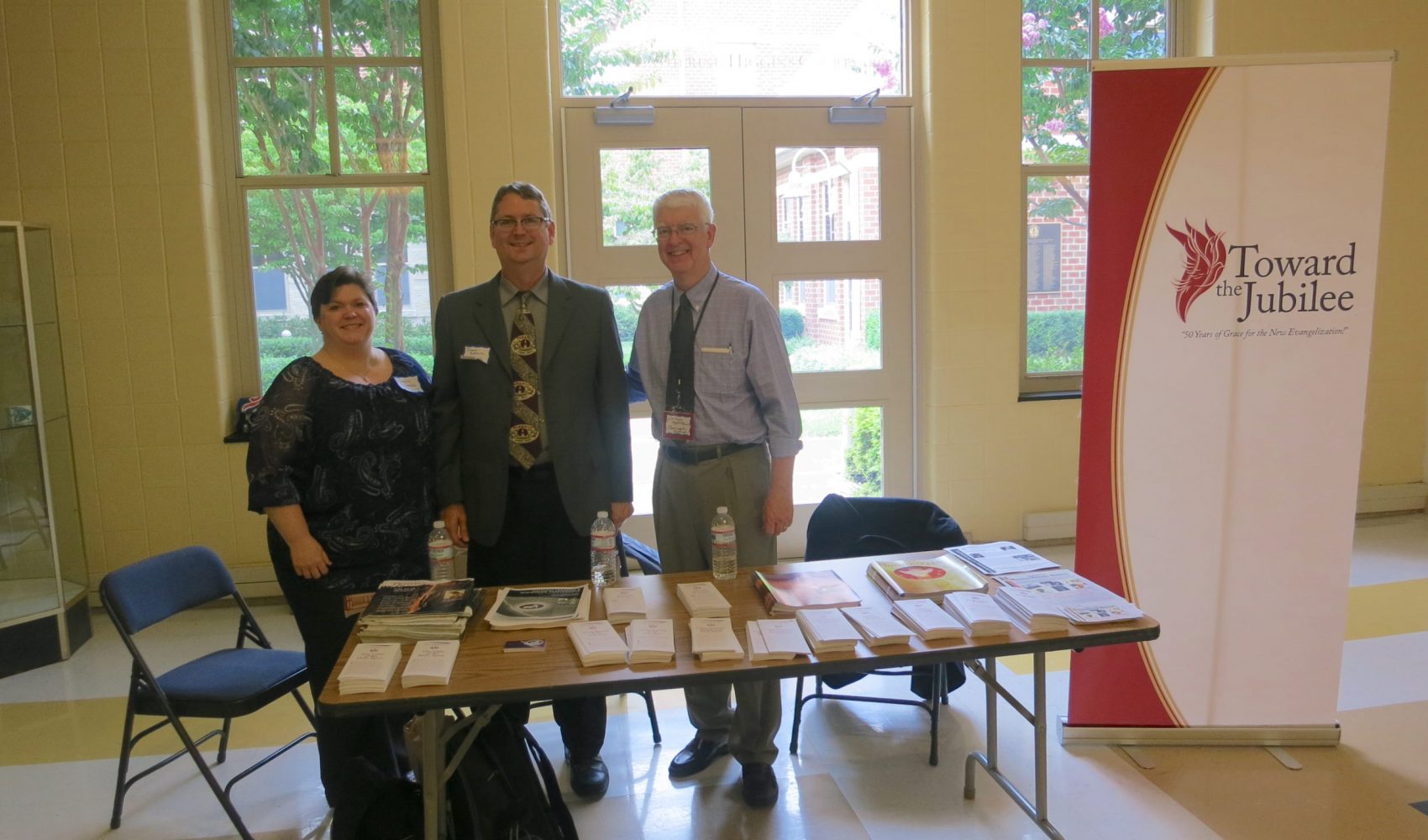
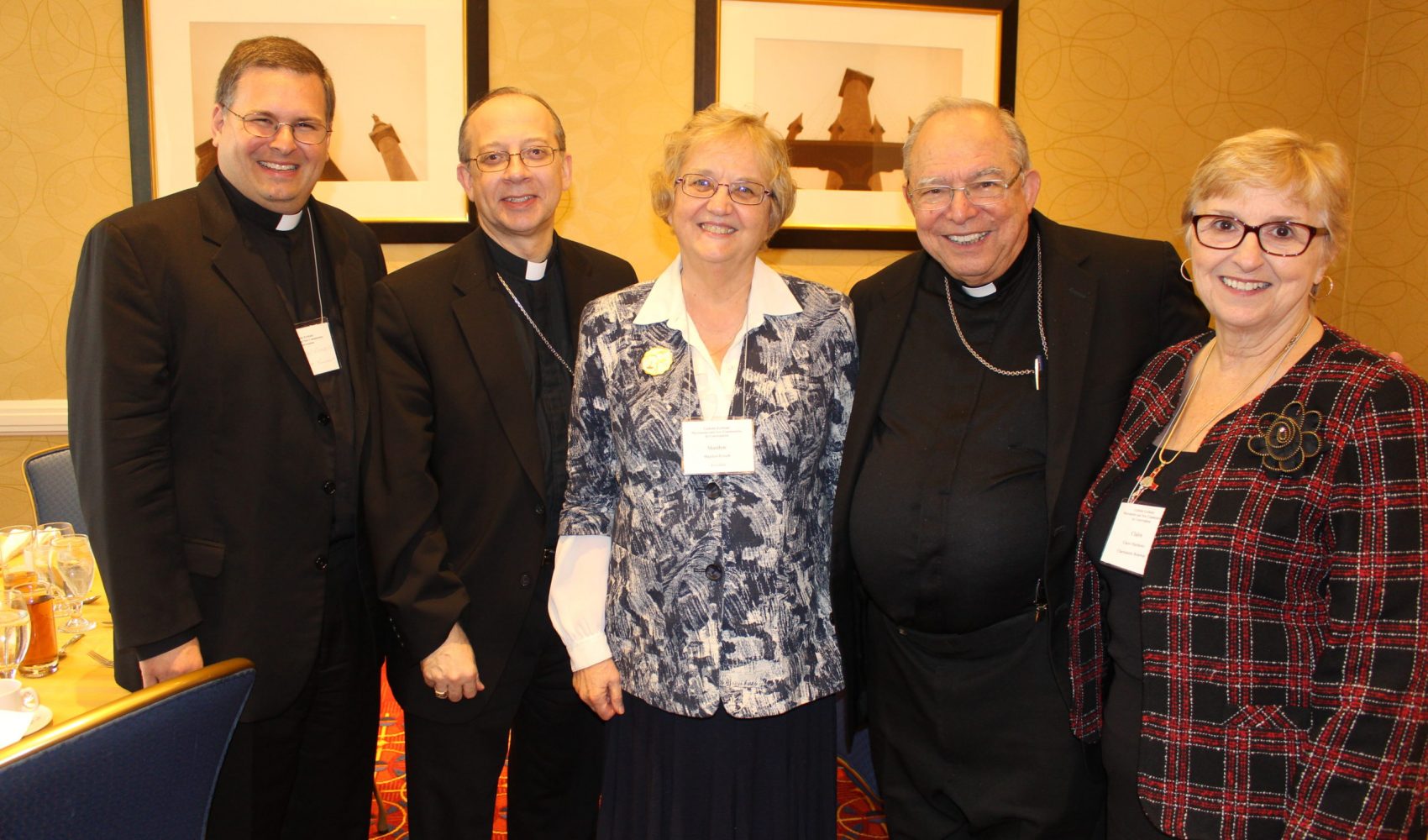
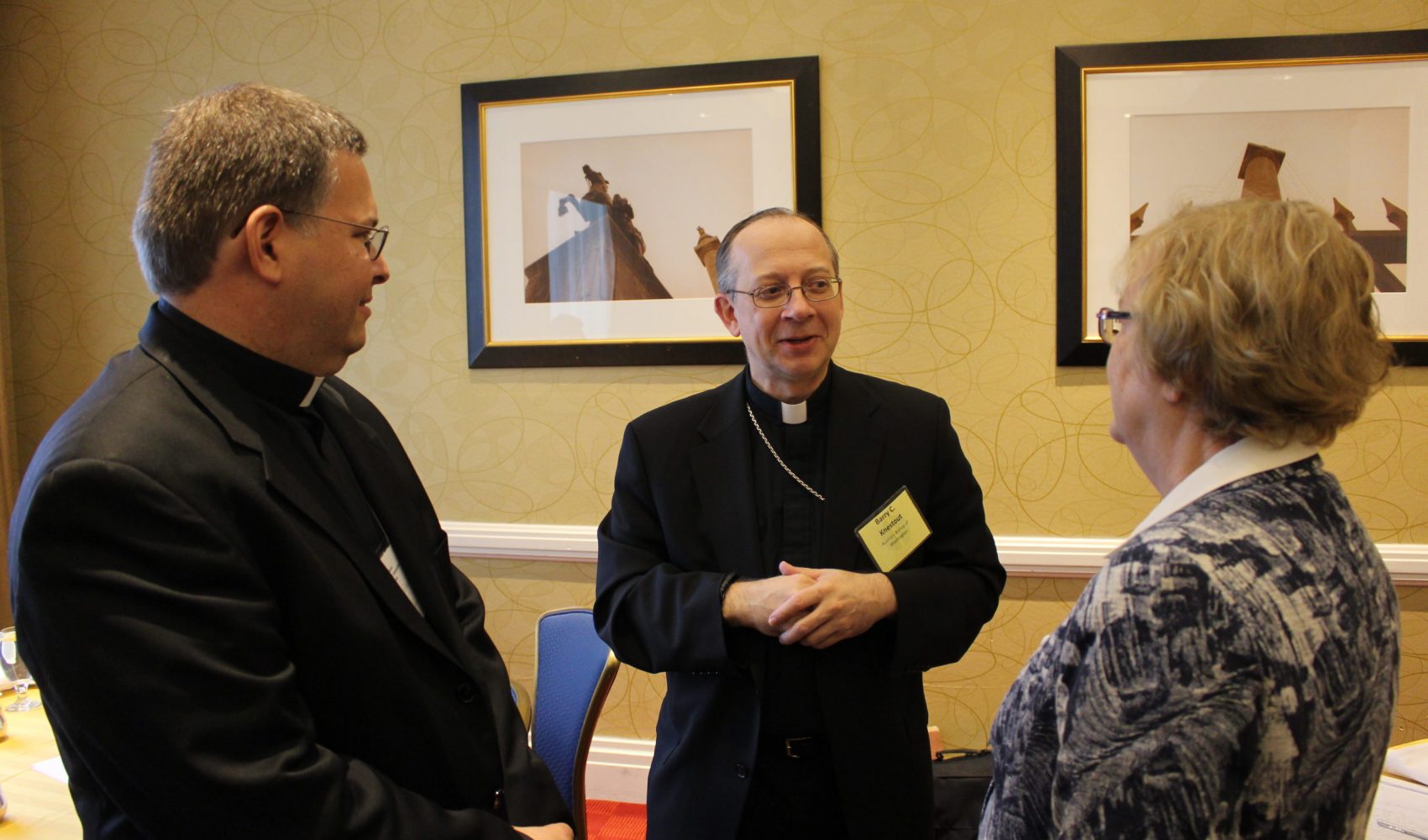
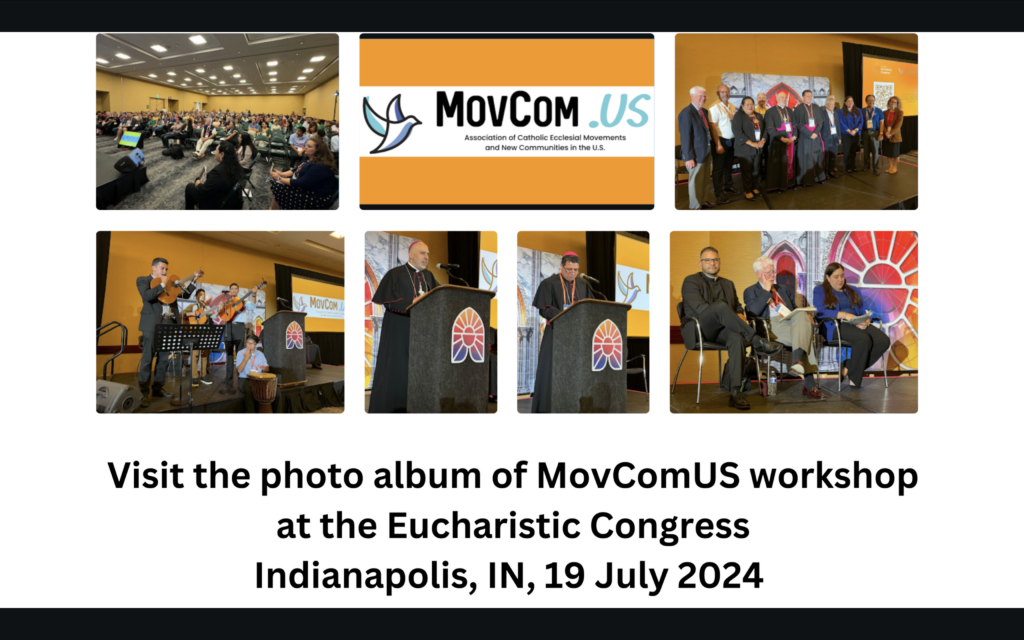
The Movements and New Communities in the US had a very special moment of worship and sharing our charisms in this congress.

Bishop Joseph Espaillat

Bishop Joseph Espaillat is auxiliary bishop of the Archdiocese of New York. He is the youngest bishop in the US.
He was born in New York. His parents had emigrated to Manhattan from the Dominican Republic. He attended Cathedral Preparatory School and Seminary and earned a Bachelor of Arts in philosophy at Fordham University in New York City in 1998. On May 17, 2003, Espaillat was ordained to the priesthood by Cardinal Edward Egan for the Archdiocese of New York. After several pastoral assignments, In 2012, he was appointed as director of youth ministry for the archdiocese. Espaillat was named in 2015 as pastor of St. Anthony of Padua Catholic Parish in Bronx, New York.

He was consecrated as a bishop by Cardinal Timothy Dolan on March 1, 2022. At age 45, Espaillat became the youngest Catholic bishop in the United States and one of the youngest in the world.

Bishop Evelio Menjivar-Ayala

Bishop Evelio Menjivar-Ayala was born in El Salvador. He is auxiliary bishop of the Archdiocese of Washington and is the Moderator of MovComUS.  He arrived in the United States as an undocumented immigrant in 1990 with his brother. He studied philosophy at St. John Vianney Seminary from 1995 to 1999 and Catholic theology at the Pontifical University of Saint Thomas Aquinas from 1999 to 2002. He completed further studies at the Scalabrini International Migration Institute (SIMI), part of the Pontifical Urban University in Rome, where he earned a licentiate. He also attended the Pontifical North America College.

On February 21, 2023, the Archbishop of Washington, Cardinal Wilton Gregory, consecrated him as bishop in Washington, D.C. His motto, Ibat cum illis (“He walked with them”) comes from Luke 24:15.

Leave a comment

Your email address will not be published. Required fields are marked *


6th National Gathering of Representatives of Movements and New Communities in the U.S.

The success of the virtual 4th and 5th gatherings inspired the service group of MovCom to do a virtual 6th gathering, which took place on February 4, 2023, and unanimously decided on the topic “Synodality”, the theme of the next Synod of Bishops in Rome –  “For a Synodal Church: Communion, Participation, and Mission.” 


“Synodality” “describes the way the entire Church—all of the baptized—seeks to discern together where the Holy Spirit is leading us right now.  For this next synod, Pope Francis invited the entire Church to join in a global discernment which requires the whole Church to ‘listen humbly’ (to Scripture and the teachings of the Church, to the ‘signs of the times,’ to those on the peripheries, and to one another) and ‘speak boldly’ with conviction and clarity.” 


The virtual 6th Gathering started with the welcome remarks of Bishop Sam Jacobs and review of the vision and mission of MovCom.US. He then introduced the main speaker, Bishop Daniel Flores, Chairman of the USCCB Committee on Doctrine, and sharer Paul Jarzemsbowski, USCCB Associate Director for Secretariat on Laity, Marriage, Family life, and Youth. You may follow their contributions on the video above.
 

BISHOP DANIEL FLORES’ CONTRIBUTION

Bishop Daniel Flores of Brownsville, TX, Chair of the USCCB Committee on Doctrine, joined the gathering to offer insights on Synodality. He described the process as an attempt by the bishops to allow the baptized to express what is on their hearts and minds, similar to how Jesus listened to the people and charged his apostles with building up the Church. 


He spoke to the fact that the Second Vatican Council encouraged bishops around the world to work together with the Holy Father to fulfil their mutual responsibility for the good of the whole church. To further that mission, Pope Francis asked local bishops to hold listening sessions in their parishes to identify particular needs in each diocese. These small groups met to pray, listen, and share their greatest joys and concerns in the church, believing that discerning the will of the Spirit is the responsibility of all the faithful, not just the bishops. Reflections from these groups allowed the bishops to connect with their people and assisted them in determining priorities in their individual dioceses. 


Bishop Flores affirmed the vibrancy of the Apostolic movements, with many people drawn to the life of the church through the personal relationships nurtured within them. He urged all of us to make our local bishops more aware of the unique gifts of our movements and new communities so we can be an important voice in revealing how to live our faith deeply in this ever-changing world.  

CONTRIBUTION OF PAUL JARZEMBOWSKI

From the perspective of the laity, the synodal process has been enriching as it raised up voices from the margins of the lay community of the Church. There was a freedom of expression that allowed stories of hurts, frustrations, and fears, along with gratitude and good works to come forth without judgement.  There was a general thirst for inclusion, belonging, and collaboration and a general disdain for isolation, polarization, and the hermeneutic of suspicion.
The entire synodal process reminds us of Pope Francis’ encouragement of four key principles in Evangelii Gaudium (nos. 222-237): that time is greater than space, unity is greater than conflict, realties are greater than ideas, and the whole is greater than the parts; in other words, the values of patient process, prayerful harmony, authentic listening, and mutuality in community can yield trust that can build bridges between isolated groups. Young people especially encouraged this “journeying together” as a “caravan” where we are all on pilgrimage, young and old, across cultures and communities, headed towards Christ, who unites us together.

The participants were then divided into small groups to discuss:

– Why should we care about synodality

– How will it affect me personally

– How will it affect my movement/new community


The segment moderator, Enrique Soros, called on discussion group leaders to report. Due to time constraint, only four DG leaders were able to share. Below is a sampling of the comments and feedback:


Due to the significant interest of members and importance of Eucharistic Revival (theme of the 5th Gathering), the service group decided to add a review of last year’s virtual gathering. In his PowerPoint presentation, Norby Perrin summarized the message of main speaker Bs. Andrew Cozzens, and the sharing of Fr. Jorge Torres. He encouraged participants to review last year’s proceedings at https://movcom.us and get updates from the USCCB website and www.eucharisticrevival.org


Nadia Lopez, National Cursillo Service Administrator, shared how her community works with the guidelines of the Synod


Bishop Sam closed the gathering with a prayer and invitation for everyone to participate in a short survey on MovCom next step.


In closing, your MovCom service group invites everyone to check the USCCB website for Bs. Flores’ “National Synthesis of the People of God in the United States of America for the Diocesan Phase of the 2021-2023 Synod


Leave a comment

Your email address will not be published. Required fields are marked *

Summary -
5th Gathering Feb. 26, 2022

Online due to COVID-19 Pandemic

Representatives of 15 Movements and New Communities attended the 5th National Gathering organized by MovComUS, Catholic Ecclesial Movements and New Communities in the U.S. in Conversation.


Bishop Sam Jacobs, episcopal liaison, welcomed all participants and explained the history of MovComUS, its vision and mission, and gave a glimpse of what to expect for the day. He then introduced Bishop Andrew Cozzens, chair of the Committee of Evangelization and Catechesis, USCCB, and Fr. Jorge Torres, commissioned by Bishop Cozzens to promote the Eucharistic Revival at a national level; and the two sharers.

Video Talk of Bishop Cozzens

In his 26 minute video, Bishop Cozzens explained the raison d’etre of the USCCB initiative “Eucharistic Revival” that will be launched on June 10, 2022, Corpus Christi Sunday. He emphasized that the goal is to start a fire that will rekindle the love for the Holy Eucharist for individuals, parishes and communities, dioceses, and then the entire nation. A national Eucharistic Congress is being planned for July 17-21, 2024 in Indianapolis.


Bishop Cozzens explained that the initiative is not merely a reaction to the 2019 Pew Research that showed that less than 30% of Catholics believe in the real presence of Jesus in the Eucharist. It is a also response to the call of the New Evangelization for intentional disciples. He emphasized that the Movements and New Communities are a potent force in this endeavor because of their emphasis on individual renewal, transformation, and the empowerment of the Holy Spirit.


In the second half of his talk, Bishop Cozzens reiterated the importance of the faith that Jesus is alive and real in the Holy Eucharist and that all believers should encounter Him and be transformed by Him. He said that we should make our lives an offering /worship/ gift to the Father. Our imperfect self as offering becomes perfect when joined with Jesus.


Bishop Cozzens exhorted the participants to ponder the gift of the Holy Eucharist in our lives, and to listen to the Lord, asking ourselves how we can revive the love of the Eucharist by helping each other understand this mystery.

Short Remark by Fr. Jorge Torres

Fr. Jorge Torres, who has been appointed as a specialist at the Committee on Evangelization and Catechesis, explained his role to help in the organization and promotion of a national Eucharistic Revival, a part of the USCCB’s strategic plan, “Created Anew by the Body and Blood of Christ: Source of our Healing and Hope”.

Sharing:

Katie McGaver, of the Schoenstatt Movement, gave a powerful testimony on how in the dark night of illness she intimately encountered the merciful Love-Light of her Divine Physician. Divine Mercy became both her medicine and her calling. She now seeks to radiate His Love-Light forth with her life as a beacon of hope to others amid times of darkness through 

BetheLightofChrist.Org is a forum she fondly calls “a love-letter to the Lord with my life.”

The McGavers and others at their parish brought to light IGNITE – an evening of inter-generational adoration, praise & worship music, seeking to ignite hearts on fire for Christ.

Alan Alameida, of the NeoCatechumenal Way, is an immigrant from Brazil. Alan shared about the pains of having an alcoholic father and the joy of being welcomed and accepted in a community of believers that made him closer to God through the Holy Eucharist.

Small Group Discussions:

The participants were grouped into 8 small groups of 5-7 members each. Here is a sample report from one group:


“Our discussion group (composed of representatives from Schoenstatt Movement, Sword of the Spirit and Couples for Christ), shared on what the Holy Eucharist means for each one, i.e. being united with Jesus. We exchanged ideas on how, individually, we intend to share our love for the Eucharist to our family, friends, parish, and movements/communities. The group loved CFC-USA battle cry “Pray HARDER” – acronym for Holy Hour, Adoration, Reconciliation (Confession), Divine Mercy, Eucharist (Mass) and Rosary”

Plenary Session:

The moderator encouraged participants to ask questions thought the Zoom Chat Box, using the “raise hand” icon or simply requesting to speak.

Here are sample questions and responses from the Chat Box:

Fr. Jorge, how can this group support the Revival in a very practical level?

What is the expectation from the USCCB about the involvement of the movements and new communities in the Eucharistic Revival in a local and in a national level? Thanks. Blessings!


From Father Jorge Torres: Here are some questions that can help the process. Each movement will discern the level of involvement.

1. Foster encounters with Jesus through kerygmatic proclamation and experiences of Eucharistic devotion.

2. Contemplate and proclaim the doctrine of the Real Presence of Jesus in the Eucharist through the Truth of our teaching, Beauty of our worship, and Goodness of our accompaniment of persons in poverty and those who are vulnerable. 

3. Empower grassroots creativity by partnering with movements, apostolates, parishes, and educational institutions.

4. Reach the smallest unit: parish small groups and families.

5. Embrace and learn from the various rich intercultural Eucharistic traditions. – Does your organization have any existing?

 Apostolic Movements can discuss and discern the following: Eucharistic Revival through prayer support or catechesis?

1. Do you have any conferences or events coming up that could turn its focus toward the Eucharist? Would you let us know if you decide to do such? 

2.   Do you have any best practices in advancing Eucharistic Catechesis to share?


Comment: One answer to one of your questions, Fr. Jorge. In Couples for Christ we have introduced our Explaining our Catholic Faith teaching series. Last year we had 4 national teaching sessions where we invited prominent speakers to talk about our Church’s teachings. Our first session was about the Real Presence, with Fr. Cris Alar , MIC , delivering the teaching virtually.


Question: How can the Church address professors in Catholic Universities that share in their class views that are not grounded on Catholic teachings?

From Father Jorge Torres: Your bishop is the one who can address individual concerns about a professor.


Sample Questions and Comments from the Floor:

Fr. Torres was asked how his involvement in this new initiative affected his life especially as a priest.

A participant raised concern about the need for parents to step forward and catechize their children who are bombarded by false claims in social media and aggravated by absence of teaching especially in public schools.

Another concern is that parents themselves need to be catechized.

This is one area where Movements and New Communities can help.


Fr. Brian McWeeney, liaison with MovCom of New York, commented on the importance of role of priests.

Fr Jorge informed the group that a study by CARA, among other initiatives and action plans, will help determine what the best strategy to equip parents is.

Additional Notes:

Moving Forward/ for Discernment of Movements and New Communities:

From Bishop Cozzens:

1. Vatican II taught that the Eucharist is the Source and Summit of our lives, what are the reasons that 50 years after Vatican II we find ourselves in a crisis about Eucharistic faith in the Church?

2. How is the Eucharist the source and summit of the evangelistic mission of the Church to reach those who don’t yet know Jesus as Lord?

3. How can I increase my relationship with Jesus in the Eucharist to learn to live daily a Eucharistic life, as Pope Benedict said, “Christianity’s new worship includes and transfigures every aspect of life: ‘Whether you eat or drink, or whatever you do, do all to the glory of God’ (1 Cor 10:31). Christians, in all their actions, are called to offer true worship to God. Here the intrinsically Eucharistic nature of Christian life begins to take shape. The Eucharist, since it embraces the concrete, everyday existence of the believer, makes possible, day by day, the progressive transfiguration of all those called by grace to reflect the image of the Son of God (cf. Rom 8:29ff.)….   There is nothing authentically human – our thoughts and affections, our words and deeds – that does not find in the sacrament of the Eucharist the form it needs to be lived to the full” (Sacramentum Caritatis, 71).


From Fr. Jorge Torres

1.   Do you desire to be involved with the Eucharistic Revival through prayer support or catechesis?

2.   Do you have any conferences or events coming up that could turn its focus toward the Eucharist? Would you let us know if you decide to do such?

3.   Do you have any best practices in advancing Eucharistic Catechesis to share?

Leave a comment

Your email address will not be published. Required fields are marked *

Summary -
4th Gathering June 12, 2021

4th Gathering 12jn21 Nadia1

Online due to COVID-19 Pandemic

Despite the challenges of the COVID pandemic, the Catholic Ecclesial Movements and New Communities in the U.S. in Conversation remained optimistic in their desire to once again gather leaders from across the country to share and encourage one another during this very unique period in our Church and our world. Stepping out in faith, it was decided to offer a virtual format where we could come together for a few hours to learn and grow on our journey of evangelization.


On June 12, 2021, we were blessed to have a total of 54 people, representing 25 movements and new communities, take part in this virtual day of formation and sharing. Bishop Sam Jacobs opened with a brief history of the Conversation and its Mission. This was followed by examples of movements working collaboratively within various dioceses, as well as discussion and encouragement about how others could forge those same types of relationships.


Highlights of the day included an overview of “Gaudete Et Exsultate” and the impact Pope Francis’ Apostolic Exhortation on Holiness can have on the challenges facing the Church in the US – as well as a discussion on the importance of “Fratelli Tutti” in the life of the Church. The participants had an opportunity to gather in both small and large groups for sharing after these presentations.


Finally, those gathered were blessed with the presence of Bishop Andrew Cozzens, who offered a preview of the proposed “Eucharistic Revival” Project that will be discussed at the Fall meeting of the USCCB. The Bishop cited recent studies that showed less than one-third of Catholics believed in the “Real Presence” of Jesus in the Eucharist and the need for the Church to “return to the basics” in revitalizing this belief. He noted that this will be a multi-year project that will be aimed at every level of the Church – and the movements and new communities can play an important role!


The day ended with Bishop Jacobs celebrating a closing Mass dedicated to the Immaculate Heart of Mary. While the participants were not able to meet in person this time, the yearning for building relationships and interaction among the movements and new communities was clear! Another virtual gathering is planned for February 26, 2022.


Leave a comment

Your email address will not be published. Required fields are marked *

Summary -
3rd Gathering July 8-10, 2019

At the Lumen Christi Center in Schriever, Louisiana

On July 8-10, 2019, the Catholic Ecclesial Movements and New Communities in the U.S. in Conversation convened their Third Gathering. It took place at the Lumen Christi Retreat Center in Schriever, Louisiana. A total of 27 participants, representing 15 different movements and the USCCB, came together to share and learn about our unique charisms and encourage one another in our mutual work of evangelization.


Bishop Sam Jacobs gave a brief history of the Conversation and our desire to grow in relationship and to work collaboratively to enlighten the U.S. bishops about the contributions the movements and new communities are making to the body of Christ. There were brief reports on the V Encuentro, the World Youth Day in Panama, as well as discussion of Pope Francis’ Apostolic Exhortation, Christus Vivit, following the Synod on Young People, the Faith, and Vocational Discernment that took place in October 2018 in Rome.


The group was advised that Bishop Robert Barron, Chair of the USCCB Committee on Evangelization and Catechesis, will present a Documentary Plan at the November 2019 USCCB meeting on how to confront the crisis of Catholic young people leaving the Church. Participants at the Gathering exchanged ideas on how their movements are working to support and engage young people, empower them for leadership, and instill a greater sense of belonging to the Church. The consensus was that doctrine and catechesis alone are not the answer to this crisis. The transmission of faith through personal witness and relationships, as we have experienced among the movements and new communities, play a significant role in gaining the hearts of young people for Jesus.


Action

– The Gathering decided to send a letter to Bishop Barron, as well as to Archbishop Charles Chaput, chair of USCCB Committee on Laity, Marriage, Family Life and Youth, suggesting that any follow-up to the Synod on Youth include a strong emphasis on developing relationships and a sense of love and belonging among young people. *


– Bishop Jacobs will continue to pursue a request to add a representative from the Conversation to serve as a consultant to either the USCCB Committee on Laity, Marriage and Family Life and Youth, or the Committee on Evangelization and Catechesis, to represent the Ecclesial Movements and New Communities in Conversation. **


– The Conversation will draft a letter to all U.S. bishops, encouraging interaction with the movements and new communities in their dioceses. This would include an overview of diocesan committees, involving the movements, that are already in place in the archdioceses of Chicago, New York, and Washington.


– Participants affirmed the value of including young adults in future gatherings of the Conversation.


– Participants were asked to raise awareness of the Conversation’s website and Facebook page as a way to post updates on major events, request prayers, and continue to stay connected through relationships.

* Note: the mentioned letter was sent on October 1st, 2019 to Bishop Robert Barron, and to Archbishop Salvatore Cordileone, who became at the USCCB Assembly of November 2019, the new chair of the Committee on Laity, Marriage, Family Life and Youth.


** Responding to this request, Archbishop Cordileone requested Bishop Jacobs the name of three candidates to represent MovComUS at the Committee on Laity, Marriage, Family Life and Youth. The three suggested were Walter Matthews -Charismatic Renewal-, Emanuele Contini -Neocatechumenal Way-, and Enrique Soros -Schoenstatt Movement-. Archbishop Cordileone invited Enrique Soros to represent MovComUS at the committee.


Leave a comment

Your email address will not be published. Required fields are marked *

Summary -
2nd Gathering June 8-10, 2015

At the Lumen Christi Center in Schriever, Louisiana

The 2nd Gathering of key leaders and representatives of Movements and New Communities in the U.S. was held at the Lumen Christi Retreat Center in Schriever, Louisiana and was hosted by Bishop Sam Jacobs, Bishop Emeritus of the Diocese of Houma-Thibodaux, and the Catholic Ecclesial Movements and New Communities in the U.S. in Conversation. There were 28 attendees from 14 Movements and New Communities which are listed at the end.  This was similar to the 29 who attended the 1st Gathering in 2013, representing 16 Movements, New Communities and the USCCB.


Of note, only seven of the attendees this year had attended the Gathering in 2013.  Besides the USCCB representative, there were five groups present in 2013 not represented this year, but there were three groups not represented in 2013 who were present this year.


As with the 1st Gathering, time was spent getting to know one another and the Movements and New Communities represented.  Bishop Jacobs gave a brief overview of how the Conversation came together initially—as a vision of doing something in the U.S. similar to what Pope John Paul II and Benedict XVI had done in Rome in 1998 and 2006, namely to celebrate the existence and good fruit of the Movements and New Communities in the U.S. and to raise awareness.  He then shared what has been done since the first coming together in 2009:  Bishop Friends’ Luncheon in 2010, a Workshop for Bishops on the Movements, New Communities and the New Evangelization in 2011, and Receptions for Bishops in 2012, 2013, and 2014, the 1st Gathering of Movements and New Communities in 2013, and our first Celebratory Event in August, 2014 in the Washington, DC area.  He shared a “wild dream” of a future celebration in Yankee Stadium!


Brief presentations by representatives of Cursillo, Focolare, and Worldwide Marriage Encounter followed.


On the second day, the attendees viewed a recorded presentation of the Celebratory Event and discussed the possibility of a future Celebratory Event as well as the address of Pope Francis in November 2014 to the “Participants in the Third World Congress of Ecclesial Movements and New Communities.”  In his address, the Holy Father said “it is necessary to preserve the freshness of your charism,” “the way of welcoming and accompanying men and women of today, in particular, the youth,” and that “we must never forget…that the most precious good, the seal of the Holy Spirit, is communion.”   He concluded, “In order to attain ecclesial maturity, therefore, maintain…the freshness of your charism, respect the freedom of each person, and always strive for communion.”  Discussion followed and many ideas of how to go forward were generated. We then turned to the upcoming “Year of Mercy” and shared in small groups what the various groups have planned in response.


In the evening we focused on what the Movements and New Communities are doing in response to the New Evangelization, especially with Youth and Young Adults.  Brief presentations were given by representatives of the Apostolic Movement of Schoenstatt, Focalare and the Sword of the Spirit.  What emerged was no surprise:  the importance of Christian family in raising Christian youth and, where lacking, the need for older adults reaching out.  Also noted was the increasing absence of fathers and of fathers who never said “I love you.”


Prayer, led by representatives of the various Movement and New Communities attending, reflecting their praxis or style was a constituent part of each of the three days, as was celebration of Mass.  In his homily at one Mass, Fr. Gerold Langsch of the Apostolic Movement of Schoenstatt said “the new ecclesial movements…are to give hope, to give new enthusiasm…we want to be renewed from the communion we have experienced.”


We ended with a time of open sharing and looking at what is next for this type of Gathering.  There was a strong consensus that we should meet again—probably in 2017.


Movements and New Communities Attending:

– Alliance of Filipino Catholic Charismatic

– Madonna House

– Apostolic Movement of Schoenstatt

– National Cursillo Movement

– Beginning Experience

– Neocatechumenal Way

– Catholic Charismatic Renewal

– People of Praise

– Catholic Fraternity of Charismatic

– Covenant

– Prayer Communities

– Communities and Fellowships

– Retrouvaille International

– Couples for Christ

– The Sword of the Spirit

– Focolare

– Worldwide Marriage Encounter


Leave a comment

Your email address will not be published. Required fields are marked *

Summary -
1st Gathering
June 3-5, 2013

At the Lumen Christi Center in Schriever, Louisiana

In our first gathering there were 29 participants from 16 Movements and New Communities and the USCCB.

The Movements and New Communities represented were:

·   Apostolic Movement of Schoenstatt

·   Beginning Experience International Ministry

·   Catholic Charismatic Renewal

·   Catholic Daughters of the Americas

·   Community of Sant’Egidio

·   Couple for Christ

·   Focolare Movement

·   National Cursillo Movement

·   Neocatechumenal Way

·   People of Praise Community

·   Regnum Christi

·   Renovacion Carismatica Catolica Comite Nacional de Servicio Hispano

·   Retrouvaille International

·   Teams of Our Lady

·   The Sword of the Spirit

·   Worlwide Marriage Encounter

Also attending was Andrew Lichtenwalner, Executive Director of the Secreteriat of Laity, Marriage, Family Life and Youth of the US Conference of Catholic Bishops.

1e

Leave a comment

Your email address will not be published. Required fields are marked *